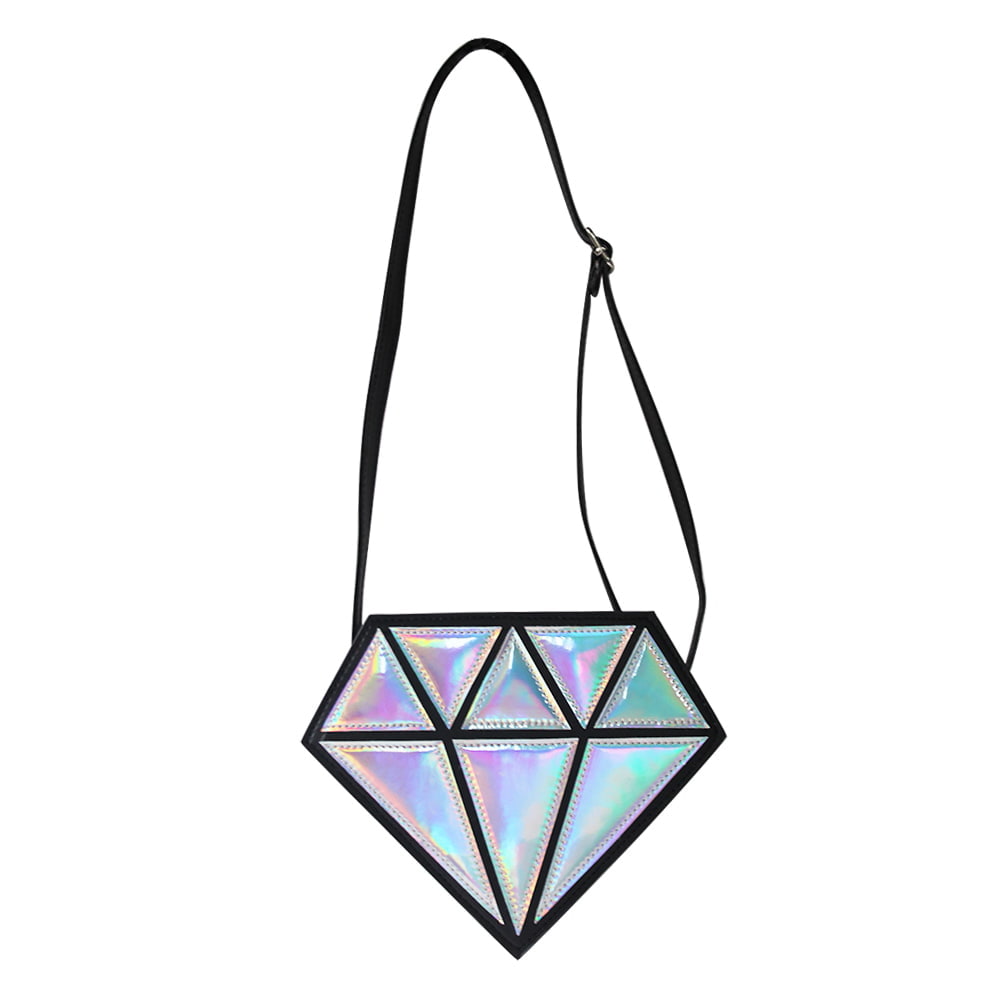


As personal grooming routines become more structured and product collections grow, the demand for practical and well-designed storage also increases. Although there are many variations in size, material, and internal layout, make-up cases used today can be grouped into three common styles: portable cosmetic bags, professional train cases, and vanity-style make-up cases. Each style serves different user needs, usage environments, and storage habits.
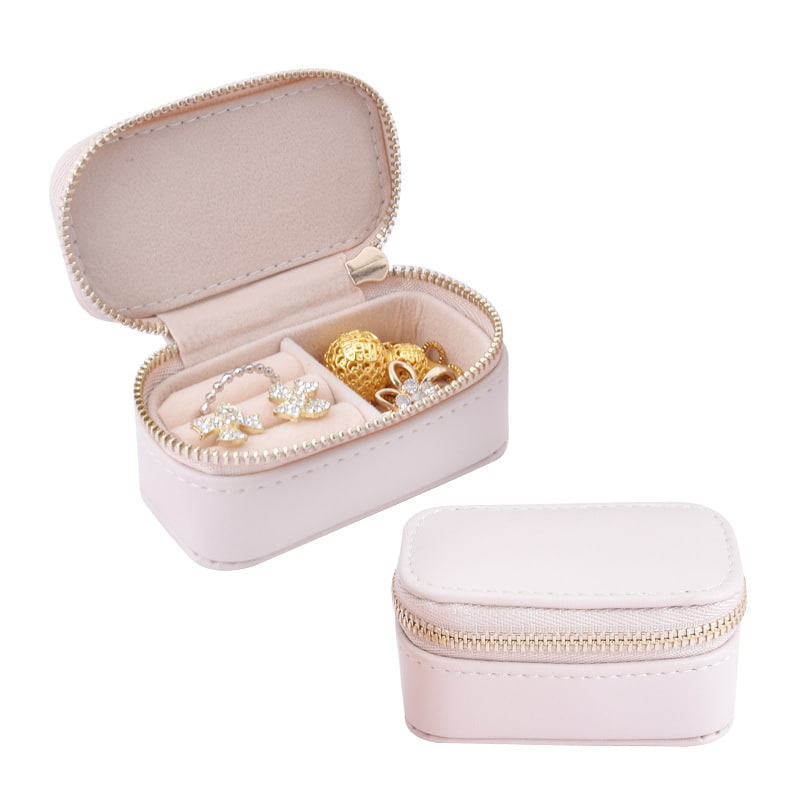
Portable Cosmetic Bags
Portable cosmetic bags are the widely used and recognizable style of make-up case. They are designed for everyday use and short-distance travel, offering basic organization in a compact format. These bags are usually made from fabric, synthetic leather, nylon, or PVC, and they come in a range of sizes from small pouch-style organizers to medium zippered cases with multiple compartments.
The main advantage of portable cosmetic bags lies in their convenience. Their lightweight structure allows users to place them easily in handbags, backpacks, or suitcases. Most designs feature one main compartment for foundation bottles, powders, and skincare products, along with smaller pockets for lipsticks, brushes, or cotton pads. Some versions include waterproof linings to prevent liquid spills from damaging the outer surface.
From a functional perspective, cosmetic bags support basic daily organization but offer limited protection against external pressure. Soft materials can deform under weight, which may cause fragile items such as pressed powders or glass bottles to crack during travel. For users who carry only essential products for touch-ups or short trips, this limitation is often acceptable. However, for users with larger makeup collections or who frequently transport cosmetics over long distances, additional structural support may be needed.
Another consideration is hygiene. Since many portable cosmetic bags lack removable dividers, brushes and liquid products may share the same space. This increases the risk of contamination and product leakage if not managed carefully. Despite these limitations, cosmetic bags remain a practical choice for casual use, students, office workers, and travelers who prioritize portability and simple organization.
Professional Train Cases
Professional train cases represent a more structured and durable style of make-up case. Originally developed for makeup artists and hair stylists, these cases emphasize storage capacity, tool organization, and mechanical protection. They are typically constructed from aluminum frames, reinforced plastic, or composite panels, with metal corners and locking systems.
The internal layout of a train case is one of its defining features. Most designs include tiered trays that open outward when the lid is lifted. These trays provide segmented storage for brushes, palettes, pigments, and small tools, while the bottom compartment holds larger items such as hair dryers, spray bottles, or skincare products. This layered structure allows users to view and access products quickly during work sessions.
Durability is another important advantage of professional train cases. Rigid shells protect cosmetics from compression, shock, and accidental impact during transport. This makes them suitable for frequent travel, backstage use, photo shoots, and on-site services. Many models also feature lockable latches to secure valuable cosmetics and tools.
However, the added protection and storage space come with certain drawbacks. Train cases are heavier and bulkier than portable cosmetic bags. Carrying them over long distances may require shoulder straps or rolling wheels, which add to the overall size and complexity. Their rigid structure also limits flexibility in storage locations, making them less suitable for tight spaces.
Cost is another factor. The materials and mechanical components used in professional cases generally result in higher production costs. As a result, these cases are more commonly purchased by professionals or users with extensive cosmetic collections rather than casual users.
Vanity-Style Make-Up Cases
Vanity-style make-up cases are designed primarily for stationary use at home or in dressing rooms. Unlike portable bags and train cases, these cases function as both storage units and part of the daily makeup environment. They often resemble small cabinets or boxes placed on vanities, desks, or countertops.
The structure of a vanity make-up case focuses on accessibility and visual organization. Many designs include drawers, compartment dividers, and transparent lids that allow users to see their products clearly. Some versions incorporate built-in mirrors, lighting strips, or brush holders to create an integrated grooming station.
One of the main advantages of vanity-style cases is their contribution to orderly routines. By assigning specific spaces to different product categories, users can maintain consistent organization and reduce the time spent searching for items. These cases also protect cosmetics from dust and light exposure, which can affect product stability over time.
On the other hand, vanity-style make-up cases are not intended for frequent transport. Their size and rigid construction make them unsuitable for travel. Some designs are also sensitive to humidity and temperature, especially when made from wood or coated fiberboard. Without proper environmental control, these materials may warp or experience surface wear over time.
In terms of capacity, vanity cases often offer more storage than cosmetic bags but less overall portability than train cases. This positions them as a middle-ground solution for users who own a moderate to large number of products and apply makeup primarily in one fixed location.
Comparing the Three Styles in Practical Use
When comparing the three common styles of make-up cases, usage context becomes the primary deciding factor. Portable cosmetic bags prioritize flexibility and lightweight transport but provide limited protection and organization. Professional train cases offer structured storage and physical protection but sacrifice compactness and convenience. Vanity-style make-up cases support long-term organization and stable access but lack mobility.
Material choice also differs across the three styles. Cosmetic bags rely on soft fabrics and synthetic materials, train cases emphasize metal frames and rigid shells, while vanity cases often combine plastic, wood, and transparent panels. Each material choice influences durability, weight, and maintenance requirements.
User habits further shape suitability. Individuals who travel frequently or shift between work locations benefit more from train cases. Those with routine home-based makeup application prefer vanity-style setups. Users with minimal cosmetic needs often find portable bags adequate for daily use.
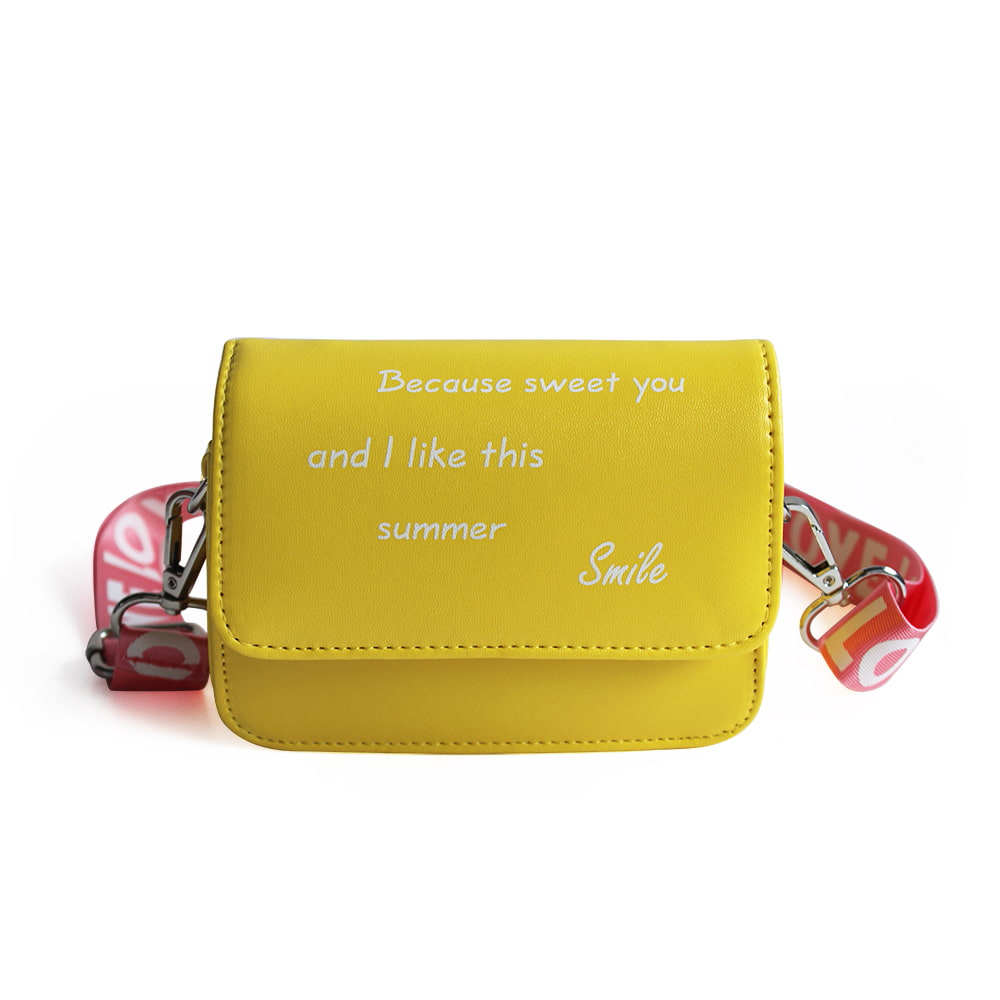
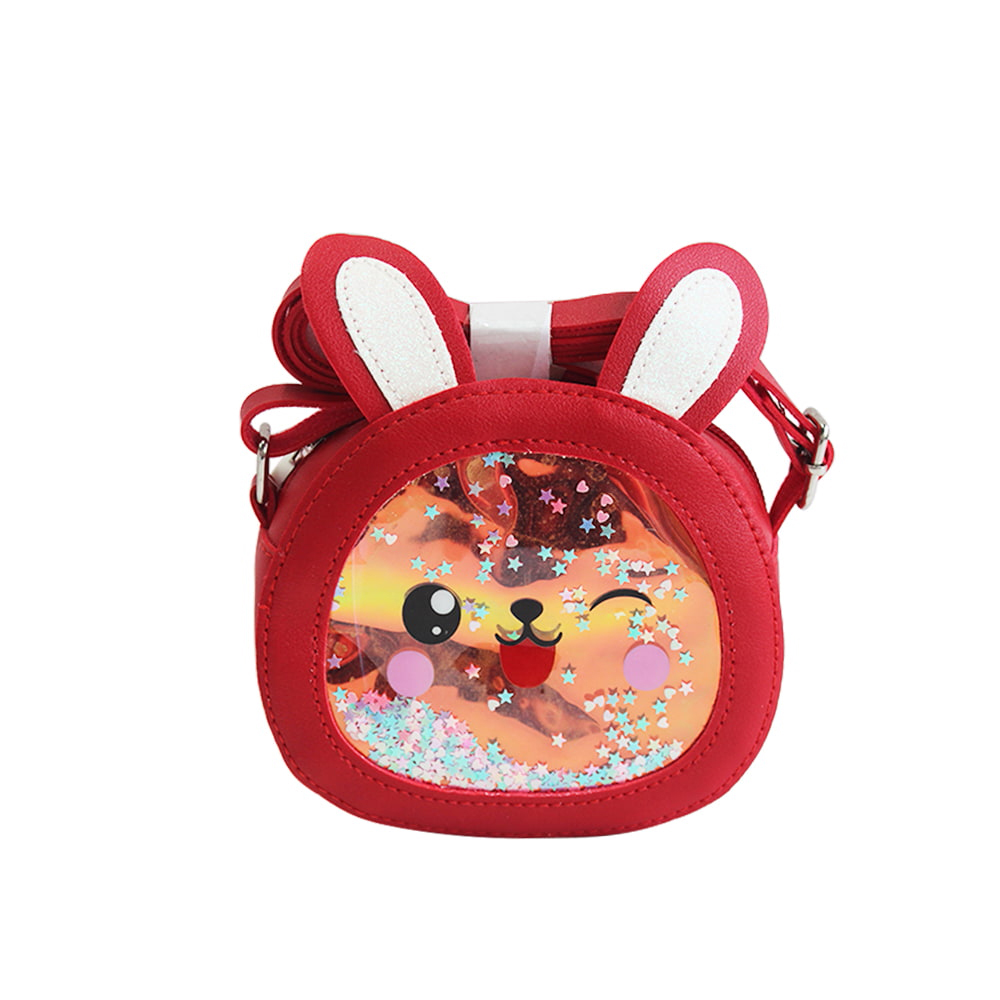
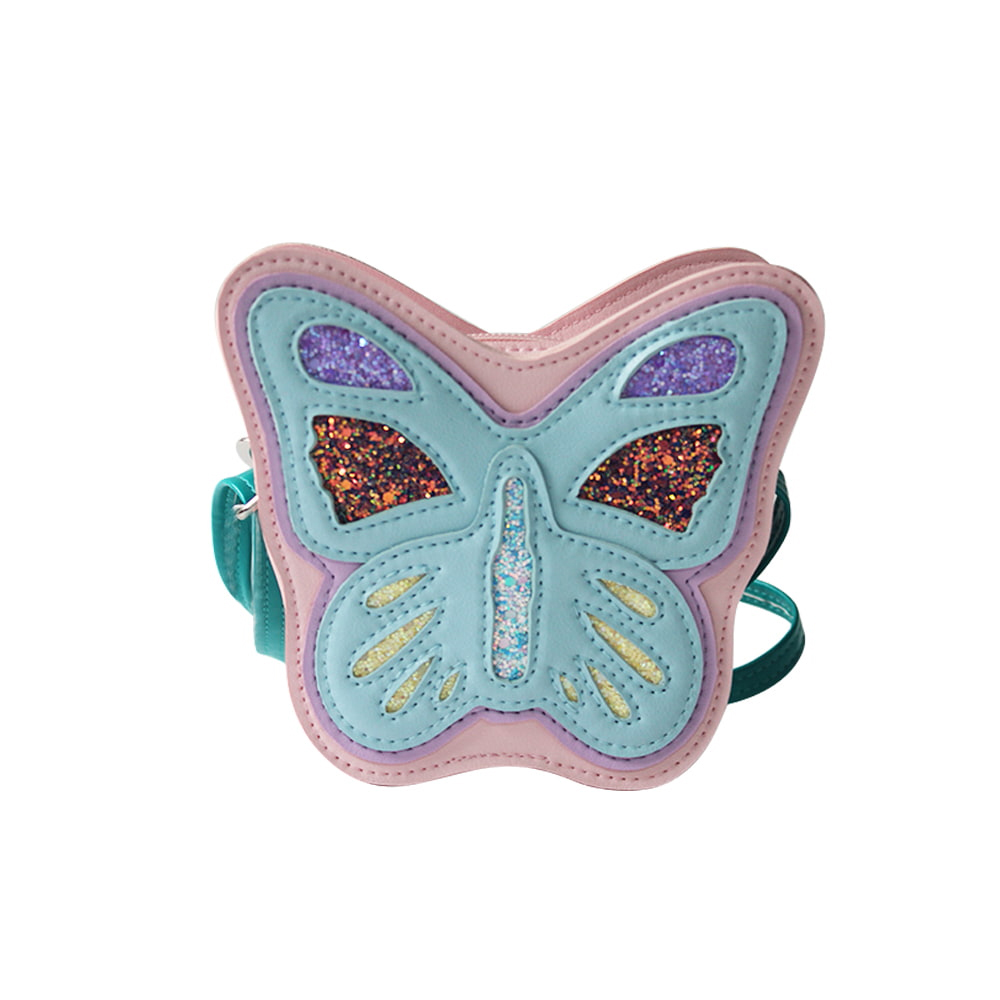
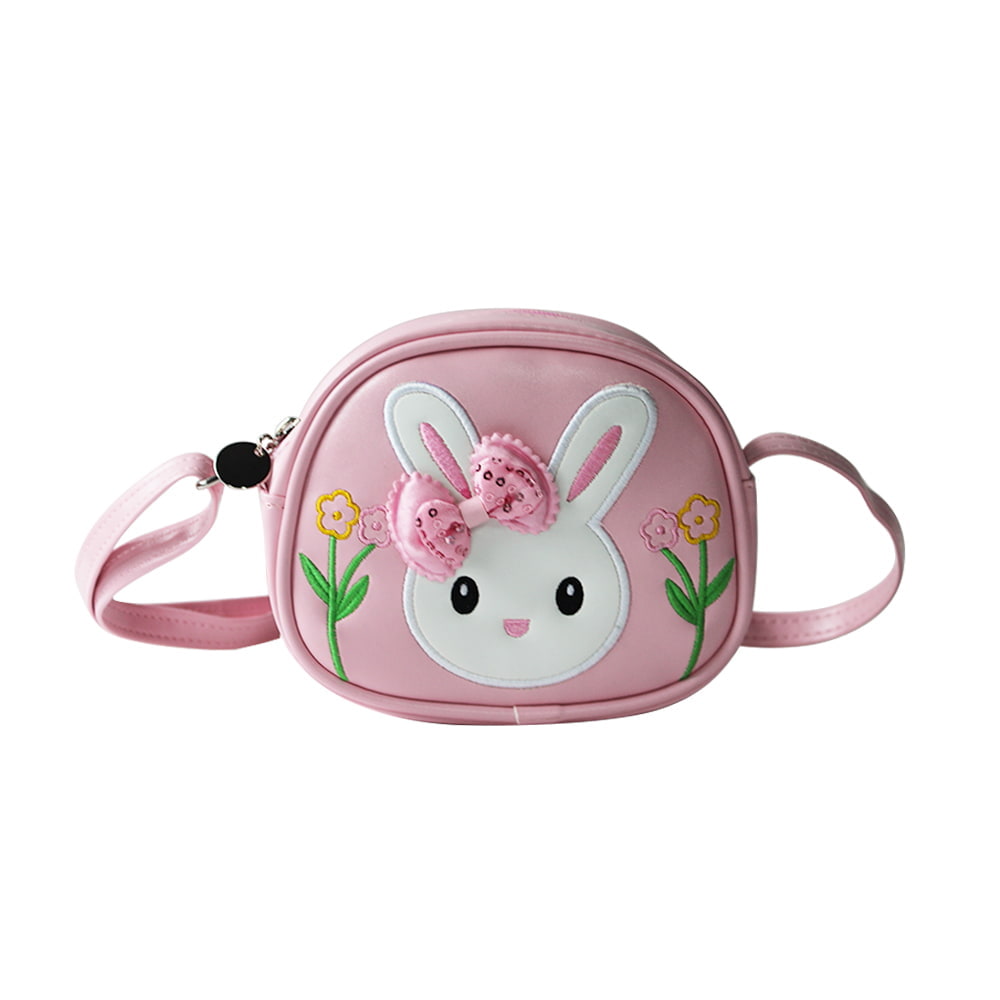
The company covers an area of 1500 square meters and specializes in producing various types of makeup bags, jewelry bags, children's bags, and wash bags, with a monthly output of about 100000 bags.
 We Are Here
Address: 6th Floor, No. 2 Gantang West Road, Huanglinshan Industrial Zone, Yiting Town, Yiwu City, Jinhua City, Zhejiang Province, China
 Contact Us
Phone: +86-13857970558

sales1@xibodan.com
sales2@xibodan.com
sales6@xibodan.com
If you have any requirements, please click on "contact" to leave a message.