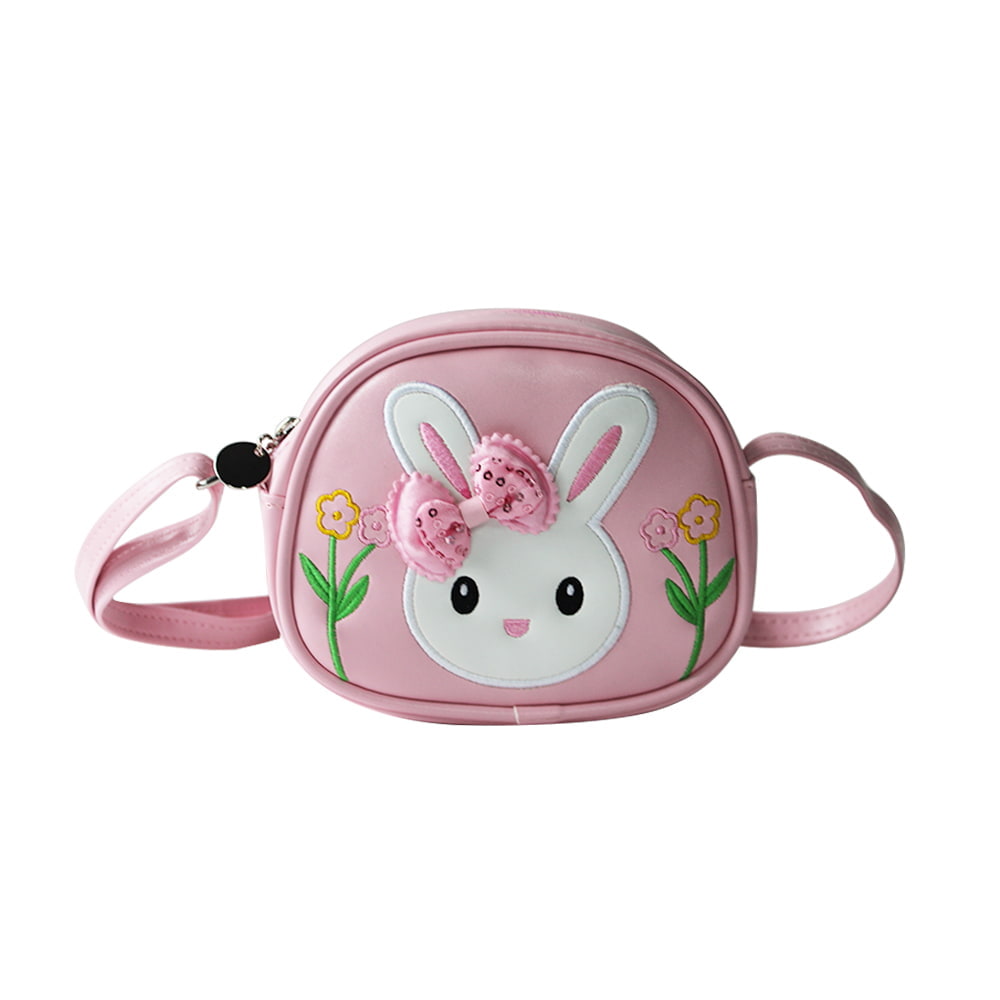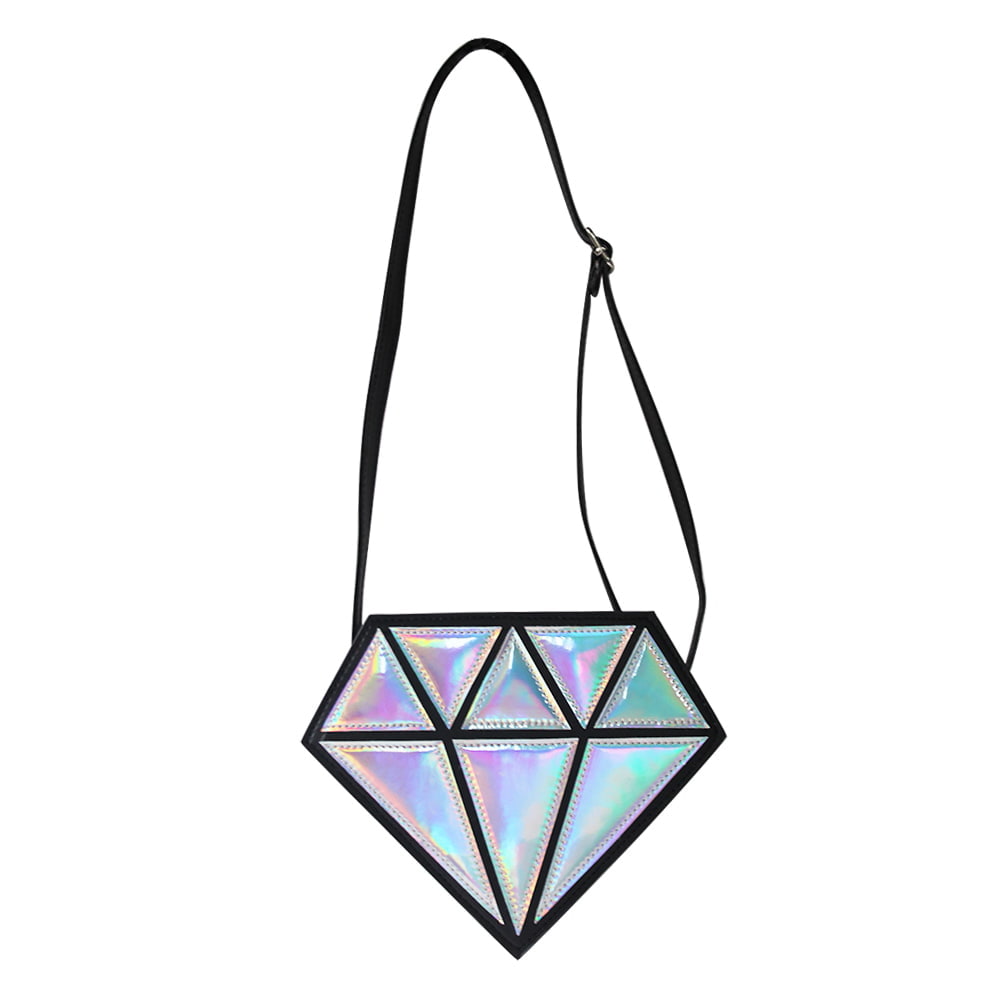


Custom makeup bags have become an essential accessory in daily life for many individuals, offering both practicality and style. These bags, which are designed to store and organize makeup products, have evolved over the years from simple containers to personalized and fashionable items. While their exact origin may be difficult to pinpoint, the development of custom makeup bags is closely linked to changes in personal grooming habits, the rise of the beauty industry, and shifting cultural attitudes towards individuality and personal expression.
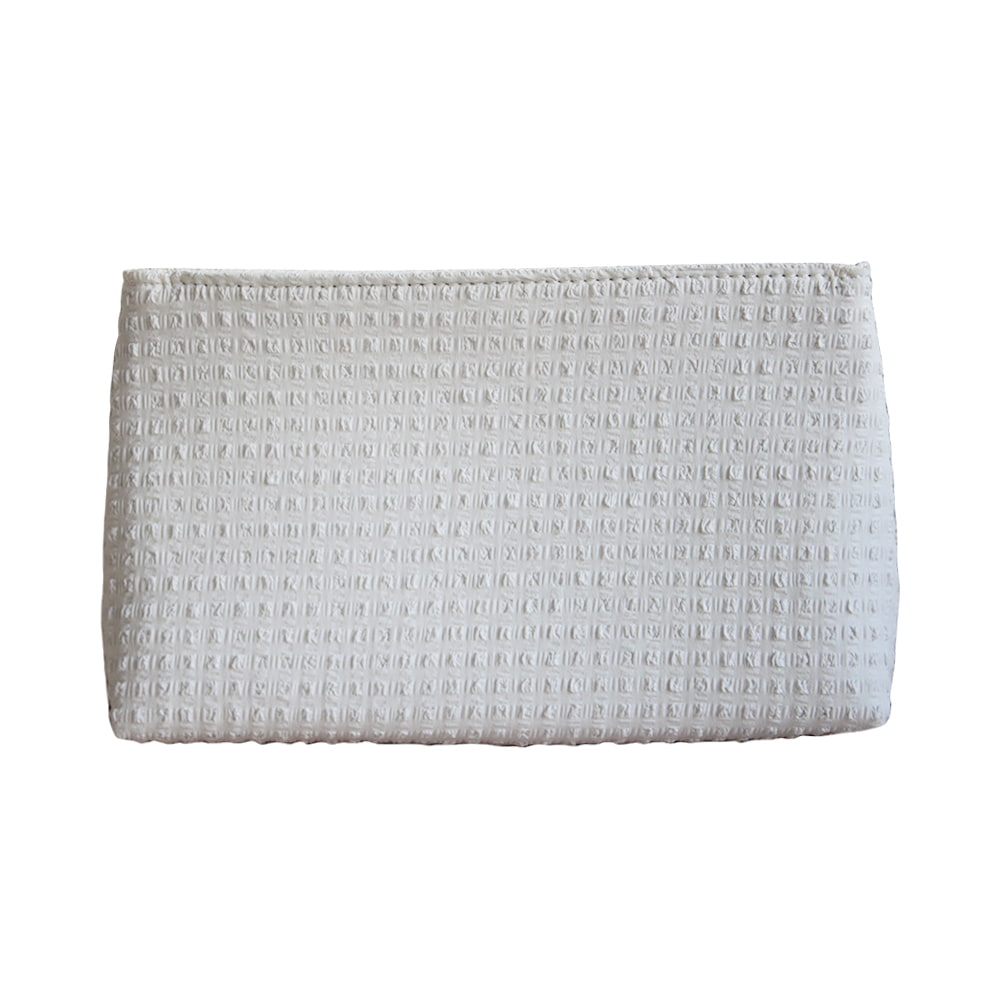
Makeup, in various forms, has been used for thousands of years. The ancient Egyptians, for example, used oils, powders, and pigments for both cosmetic and ritual purposes. However, the need for specialized storage solutions, such as makeup bags, did not arise until makeup products became more widely used in everyday life, especially in the Western world.
In the early 20th century, with the growth of the cosmetics industry, particularly with the introduction of mass-produced makeup, there was a shift towards personal grooming and beauty. Women began to incorporate makeup into their daily routines more regularly, which led to the need for practical storage solutions. Early makeup bags were simple pouches or small cases designed to hold essential makeup items like powder, rouge, and lipstick. These bags were often made of basic materials like cloth, leather, or metal and served a functional role rather than a decorative one.
During this period, makeup bags were often sold as part of larger cosmetic kits or toiletry bags, and their designs were generally plain. There were few options for customization, as these early bags focused on utility and cost-effectiveness rather than personal style. Customization, in the sense we understand today, was not yet a widespread feature.
The development of the modern custom makeup bag can be traced to the mid-20th century when the beauty industry experienced rapid growth. This era saw the rise of iconic beauty brands like Estee Lauder, Revlon, and Maybelline, which played a major role in making makeup an integral part of daily life. As more individuals began using makeup products, there was a corresponding increase in demand for storage solutions that could accommodate a wider variety of beauty items, including new products like eyeshadow, foundation, and mascara.
At this time, makeup bags became more than just practical tools; they were beginning to be viewed as part of personal grooming and fashion. The bags themselves began to reflect the consumer's personal tastes, and makeup bag manufacturers began offering more variety in design, size, and materials. It was during this period that the idea of customizing makeup bags began to take root, although customization was still limited to basic choices in color and material.
As personal care became more closely linked to self-expression, customization started to grow in significance. Some cosmetic companies began to offer personalized products, including monogrammed makeup bags or bags that matched a particular cosmetic collection. However, the concept of "customization" was still somewhat restricted, and the majority of makeup bags were produced in standard, one-size-fits-all designs.
The 1980s and 1990s marked a significant shift in consumer culture, particularly with the rise of luxury brands and the increasing importance of personal style. This was also the period when the fashion and beauty industries began to merge more closely, with makeup becoming a key part of overall style. As a result, the makeup bag evolved from a purely practical item into a statement piece in its own right.
Luxury brands, such as Chanel, Louis Vuitton, and Gucci, began to offer high-end makeup bags as part of their collections. These bags were not only functional but also designed with aesthetics and status in mind. While these makeup bags were not customizable in the way we think of today, they allowed consumers to express their individual taste through premium materials, intricate designs, and brand logos. This era saw the real push toward the idea that makeup bags were more than storage—they were accessories that reflected one's personality and social standing.
During this time, the idea of custom makeup bags—tailored to individual preferences in terms of fabric, design, and sometimes even size—began to gain traction among more fashion-conscious consumers. However, true customization remained a luxury reserved for the upper end of the market, and mass-market options were still limited in terms of personal expression.
The real turning point for custom makeup bags came in the 21st century, particularly with the rise of online retail and e-commerce. The internet revolutionized the way consumers shop and interact with brands, and one of the key changes was the increased availability of personalized products. Customization became more accessible, allowing individuals to design their own makeup bags with names, initials, favorite colors, or unique patterns.
This era saw an explosion in the availability of custom makeup bags, with companies offering online tools that allowed customers to choose from a variety of designs, fabrics, and colors. Personalization services became widespread, with major retailers, small boutiques, and independent artists offering options to create unique, custom makeup bags. Customers could even add embroidered initials, logos, or images to their bags, making them a reflection of their individual identity.
Social media platforms like Instagram and Pinterest also played a significant role in the customization trend. Influencers and beauty bloggers began showcasing personalized makeup bags as part of their beauty routines, an increase in demand. The concept of customization was no longer limited to high-end or niche markets but became a mainstream part of consumer culture.
The company covers an area of 1500 square meters and specializes in producing various types of makeup bags, jewelry bags, children's bags, and wash bags, with a monthly output of about 100000 bags.
 We Are Here
Address: 6th Floor, No. 2 Gantang West Road, Huanglinshan Industrial Zone, Yiting Town, Yiwu City, Jinhua City, Zhejiang Province, China
 Contact Us
Phone: +86-13857970558

sales1@xibodan.com
sales2@xibodan.com
sales6@xibodan.com
If you have any requirements, please click on "contact" to leave a message.